
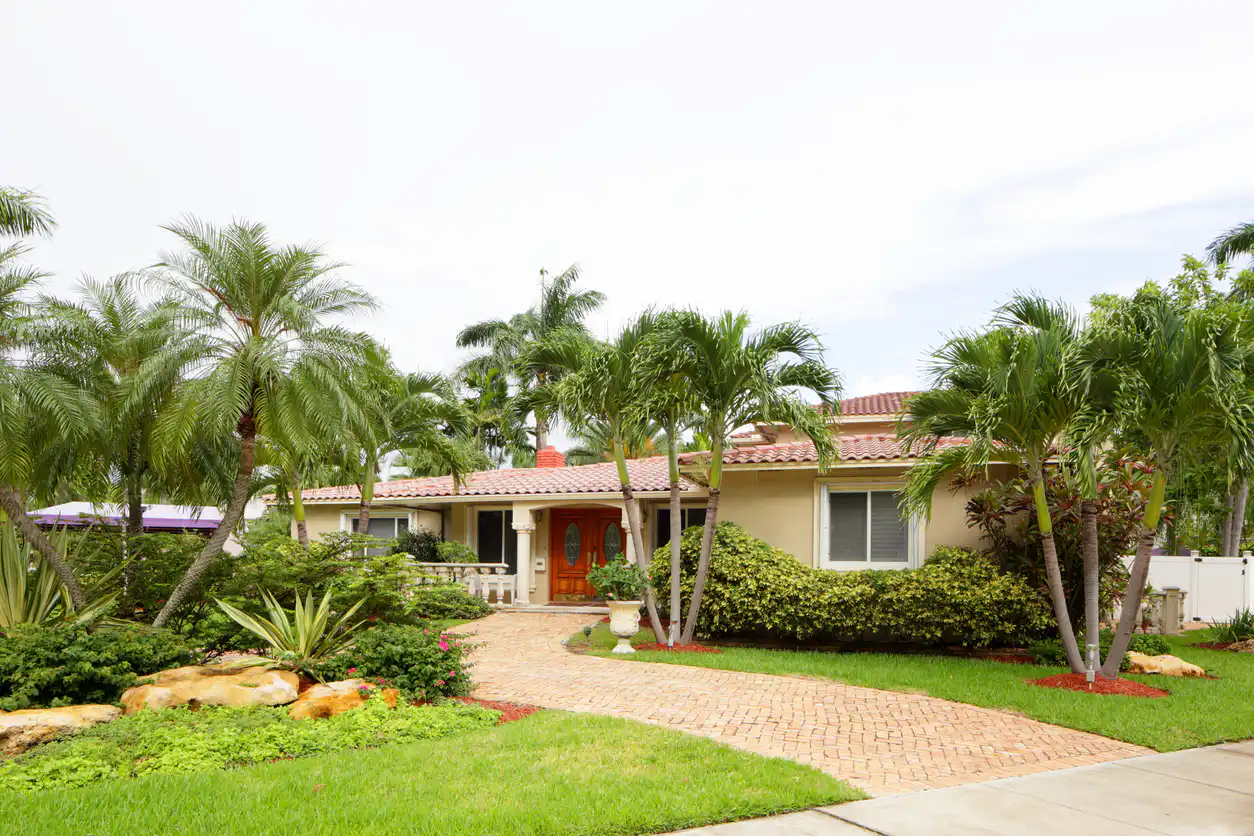
Florida homeowners seeking valuable property tax savings must carefully follow the state’s homestead exemption filing rules and deadlines. To qualify, a homeowner must own and occupy the property as their permanent Florida residence as of January 1 of the tax year and must file a homestead exemption application no later than March 1. This deadline is strictly enforced statewide by county property appraisers. Missing the March 1 deadline may result in the loss of thousands of dollars in annual tax savings, making timely filing essential for new Florida residents, first-time homeowners, and recent property purchasers.
The January 1 residency requirement is one of the most important components of Florida homestead eligibility. To qualify, a homeowner must demonstrate permanent Florida residency by that date, typically through evidence such as a Florida driver’s license, voter registration, vehicle registration, and declaration of domicile. Temporary occupancy, seasonal residence, or intent to move later in the year generally does not satisfy the legal standard. Individuals relocating from another state should also carefully assess the state income tax consequences associated with maintaining a second home, as improper planning may result in continued tax exposure in the other state despite Florida residency.
Florida law allows only limited exceptions for late homestead filings. A property appraiser may accept a late application up to 25 days after mailing the annual TRIM (Truth in Millage) notice, generally sent in mid-August or September, but approval is strictly limited to extraordinary circumstances. Acceptable reasons generally include documented postal errors, medical emergencies, natural disasters, or other serious extenuating events beyond an applicant’s control. Late filings are not guaranteed, and most counties apply these standards narrowly, making it critical to file on time.
The benefits of Florida homestead protection extend far beyond tax savings. Eligible homeowners receive a minimum $50,000 property tax exemption, including a $25,000 exemption on property taxes and an additional $25,000 exemption on non-school taxes. Homestead status also unlocks Florida’s powerful Save Our Homes cap, which limits annual assessment increases to 3% or the Consumer Price Index, whichever is lower, providing long-term tax stability. Additionally, Florida homestead provides constitutional protection from forced sale by most creditors, significant safeguards against judgment liens, and important limitations on property tax portability and inheritance taxation.
For Florida homeowners, timely filing and proper residency planning are critical. Whether relocating from another state, purchasing a new primary residence, or changing occupancy status, proactive compliance ensures maximum financial and legal protection. Missing Florida’s homestead deadline can be costly, while proper planning delivers substantial tax savings, asset protection, and long-term financial security.
Michael Salad is an attorney in Cooper Levenson’s Business & Tax practice group. He concentrates his practice on estate and asset protection planning, probate and trust administration, special needs planning, business transactions, mergers and acquisitions and tax matters. Michael holds an LL.M. in Estate Planning and Elder Law. Michael is licensed to practice law in Florida, New Jersey, New York, Pennsylvania, Maryland, Connecticut, Georgia, Massachusetts, Alabama, Arizona, Virginia and the District of Columbia. Michael may be reached at (954) 889-1850 or via e-mail at msalad@cooperlevenson.com.
The content of this post should not be construed as legal advice. You should consult a lawyer concerning your particular situation and any specific legal question you may have.