
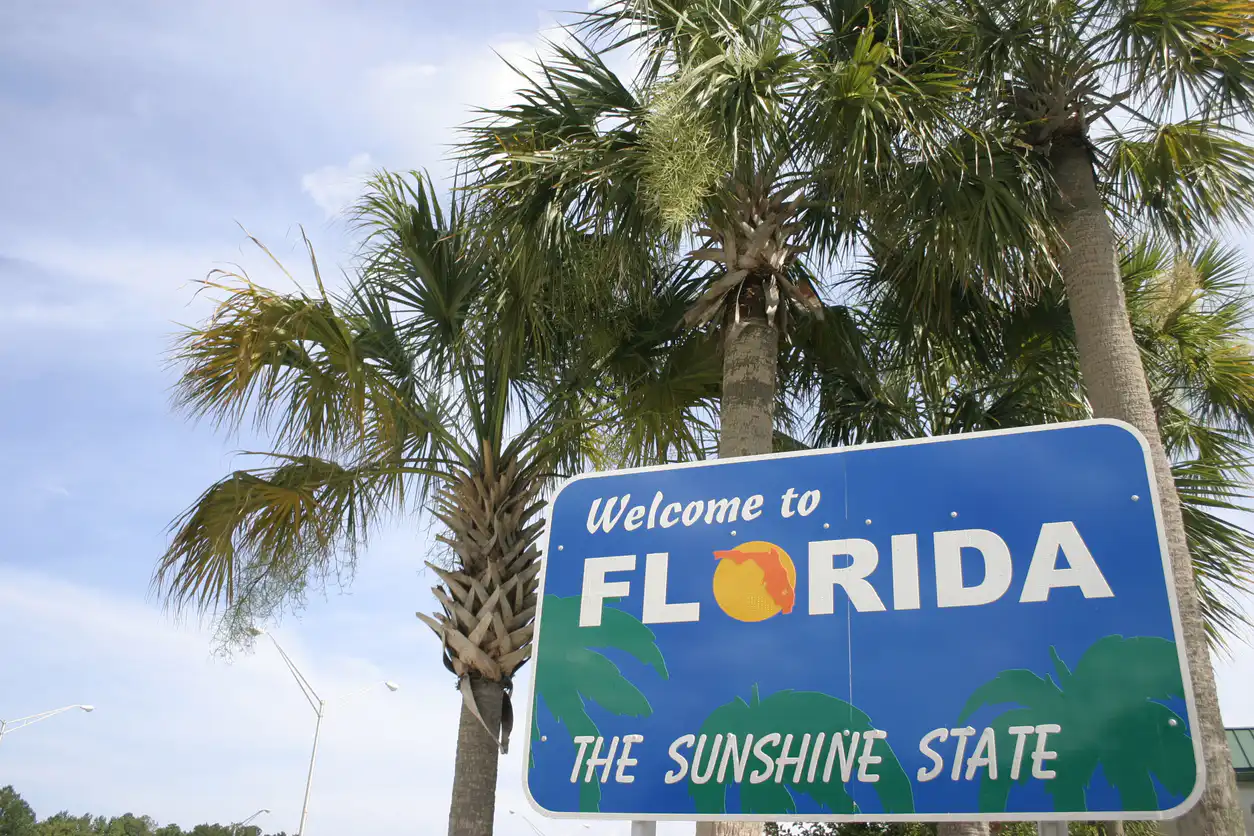
Every year, thousands of individuals and families relocate from New Jersey, New York, Pennsylvania, Connecticut, Massachusetts, and other states to Florida.
While warmer weather and the absence of a Florida state income tax are significant attractions, simply purchasing a home in Florida is not enough to become a Florida resident for legal and tax purposes.
What Is Your Domicile?
Your domicile is the place you intend to make your permanent home.
States that impose income or estate taxes often closely scrutinize taxpayers who claim to have moved to Florida while maintaining substantial ties to their former state.
What Tax Authorities May Review During a Residency Audit
During a residency audit, tax authorities may examine:
- Where you spend your time
- Where you vote
- Where you maintain your driver’s license
- Where you register your vehicles
- Where you receive mail
- Where you attend religious services
- Which physicians you use
- Where family heirlooms and treasured possessions are kept
Steps to Establish Florida Domicile
Establishing Florida domicile involves much more than filing a change of address.
New Florida residents should consider:
- Filing a Declaration of Domicile
- Obtaining a Florida driver’s license
- Registering to vote in Florida
- Registering vehicles in Florida
- Updating estate planning documents
- Changing banking relationships/mailing addresses
- Claiming the Florida homestead exemption when appropriate
These steps help demonstrate a genuine intent to make Florida your permanent home.
Why Proper Domicile Planning Matters
Proper planning before and after your move can significantly reduce the risk of future residency disputes.
Our attorneys routinely assist individuals and families relocating to Florida with comprehensive domicile planning designed to withstand scrutiny from former home states while ensuring that their estate plans and business structures reflect their new residence.
Michael Salad is an attorney in Cooper Levenson’s Business & Tax practice group. He concentrates his practice on estate and asset protection planning, probate and trust administration, special needs planning, business transactions, mergers and acquisitions and tax matters. Michael holds an LL.M. in Estate Planning and Elder Law. Michael is licensed to practice law in Florida, New Jersey, New York, Pennsylvania, Maryland, Connecticut, Georgia, Massachusetts, Alabama, Arizona, Virginia, Michigan, North Carolina, and the District of Columbia. Michael may be reached at (954) 889-1850 or via e-mail at msalad@cooperlevenson.com.
The content of this post should not be construed as legal advice. You should consult a lawyer concerning your particular situation and any specific legal question you may have.